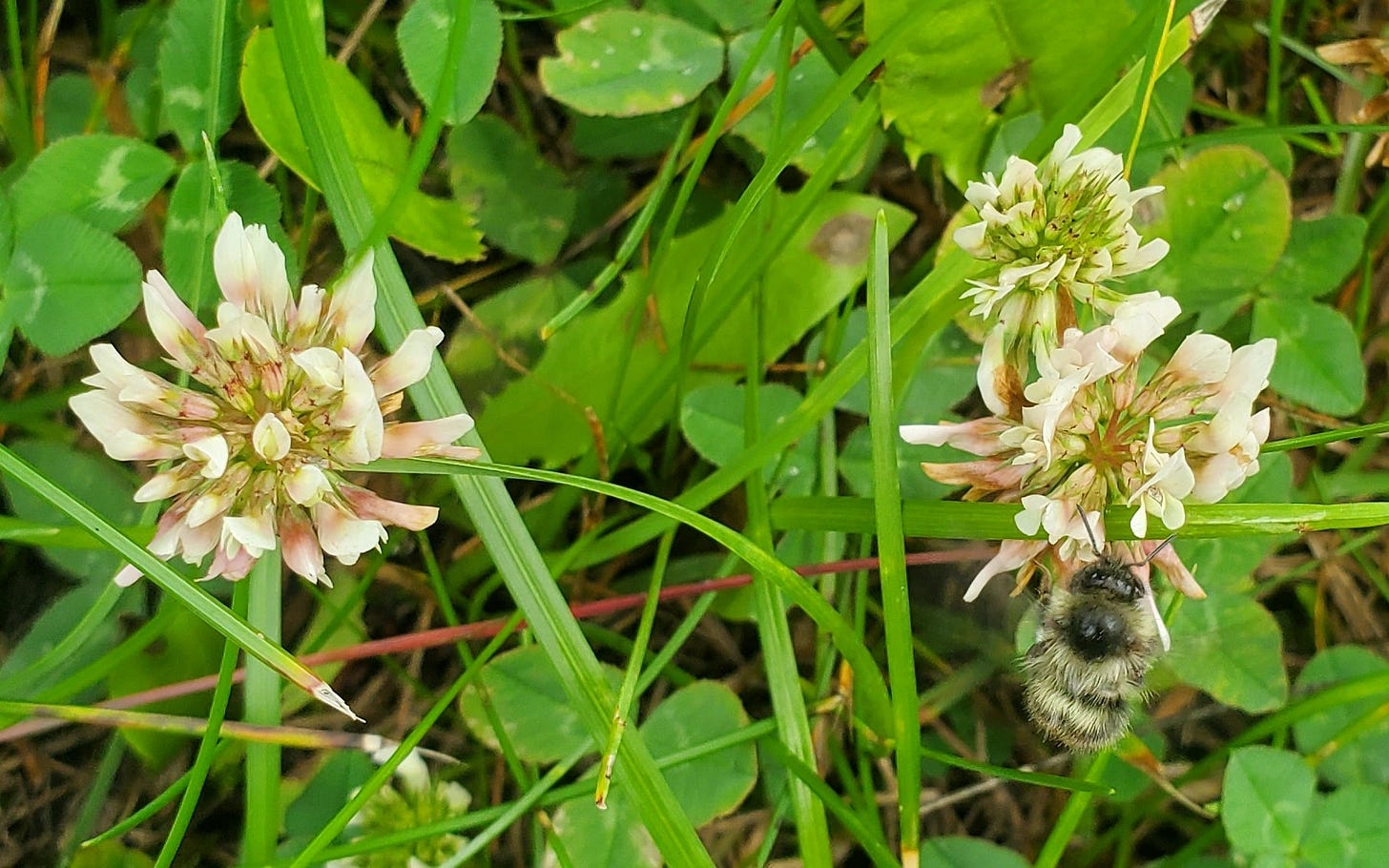
My front yard is covered with beautiful, invasive hawkweed. I spent an hour playing in the dirt today, digging them and their wild-runner roots out.
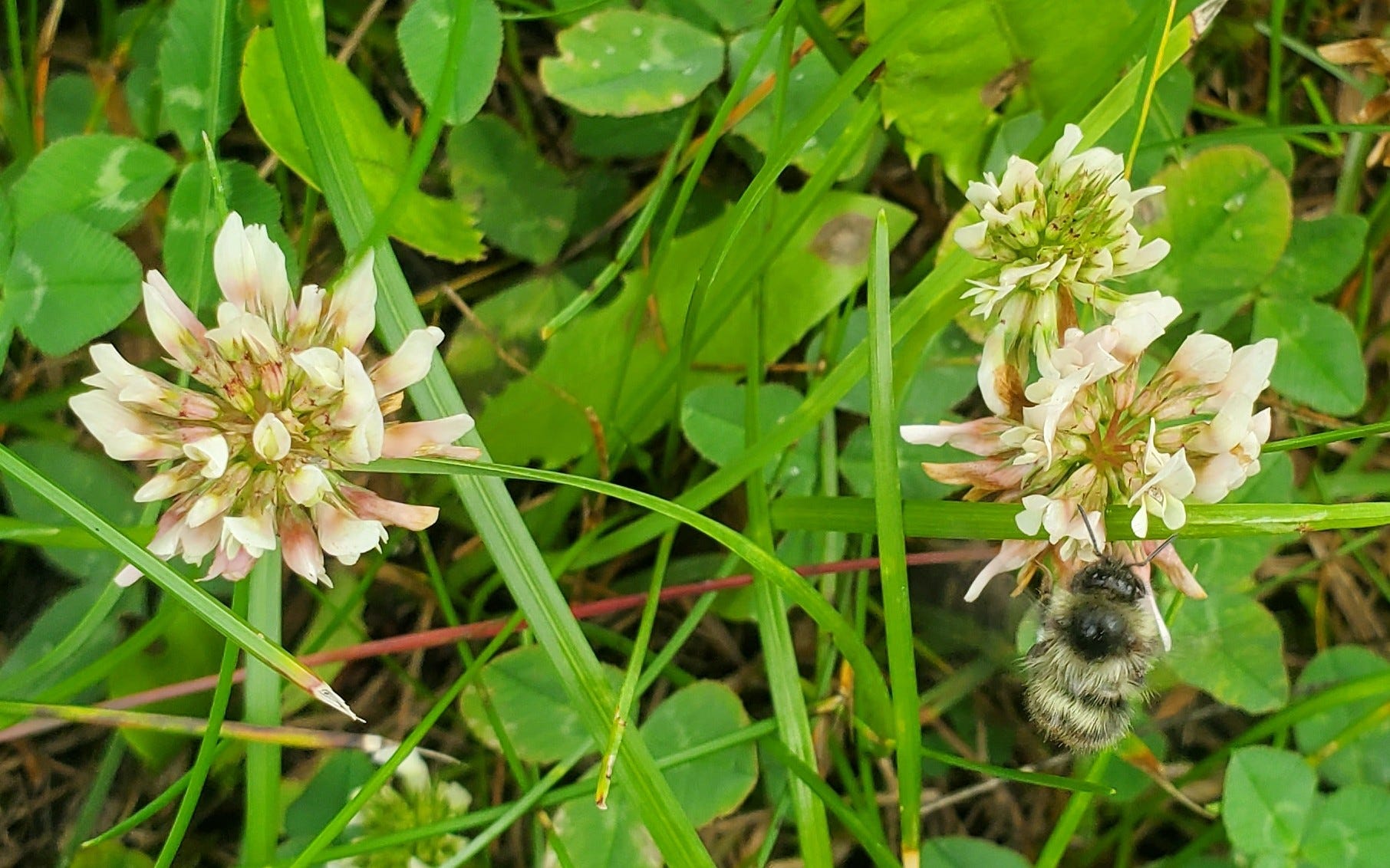
They’re all mixed in with the clover, which the bees love, and the grass, which can hardly be seen.
Our lives are like our yards – full of random things that spring up unasked.
And we have to choose what to keep, what to pull, and how to cultivate a meaningful life without killing what matters most.
Between Choking Chaos and Poisoned Sterility
I used to hate pulling weeds, cause I feel like they’re living things too. Who am I to kill a plant, just cause it’s growing somewhere I don’t particularly want it?
But when I started gardening, I learned pretty fast that, if you don’t pull the weeds, you choke out the space for what you want to grow. Pulling weeds gives things like lettuce and strawberries a huge burst of growth that they’ll never get if they have to compete for resources.
Making the choice to remove what you don’t want, what isn’t working in your life, is often necessary for what you do want to grow.
But does that mean the herbicide desert is the right way?
No. It turns out that is also a path to desolation.
Herbicides kill all the plants, even many of the ones you want, and poison both the soil and the people and animals that live on it. Eventually, the depleted soil can’t feed the plants you want, and they die too. Or you have to buy yet more artificial fertilizer to try to keep them alive.
Likewise, living the sterile life you are “supposed to” live, the one that seems guaranteed your neighbors and estranged relatives will approve, is a kind of poison to the soul.
It ruins the mulch of good ideas, of tries and failures, of the beautiful random oddments of living. Until eventually we dry up, deprived of nutrients for the mind and soul.
Compost, Soil, and the Middle Path
One of the biggest things I’ve learned about gardening is that the soil grows plants, not you. You are just the lucky idiot who is there at the end.
Good soil feeds, it nurtures, it protects. It is alive with millions of microbes that turn gunk into plant food, and it provides a home for all the helpful critters that eat the things that eat your plants.
An ecosystem.
This is what is missing in the advice about the life we are supposed to live.
Yes – you have to weed and cut the crap.
Yes – you have to avoid poisoning yourself with barren platitudes and norms.
But what do you do instead?
You need mulch.
Good soil is made of decayed plant matter, broken down over time. It provides the fertile ground for things to grow.
The best compost comes from the nutrient miners – like dandelions, with deep taproots that grow deep and pull up things long buried. And nitrogen fixers – like clover, that pull nitrogen (plants’ favorite food) out of the air to make little nodes on their roots.
Fertile Ground for a Life
What does it tell us about the fertile ground for a life?
-
Your side quests, interests, hobbies, and failures – they aren’t wasted. That’s what pulls nutrients from down deep.
-
Creativity is a kind of nitrogen fixing – pulling something from seemingly nowhere, and making it into something that can feed our souls.
-
Time is necessary. Letting things sit there for years, taking the time and space you need to process – that is how raw feeling and ideas break down into the fertile ground for new ones.
-
It’s okay to have a harmony of the things you want and the things you don’t. Sometimes the things you seemingly don’t want, like dandelions or your childhood hobbies, are exactly what can nurture you the most.
In my yard, I pulled the hawkweed and trashed it. It’ll grow a new plant from every scrap of root, and this one is too invasive to trust in the compost.
But I left the clover. Some weeds are smarter than we are – they know things we need that we’ve forgotten.
Besides, the bees love it, and I love the bees.
Leave a Reply